Nutrition Baseline Survey - Brief Description
|
|
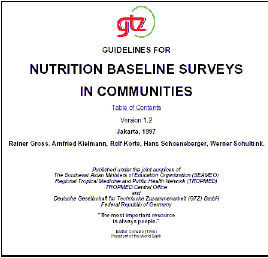
The Nutrition Baseline Survey is a standardised methodology providing objective data that can be used to assess, monitor and evaluate the nutritional and/or poverty situation of a population. The objective of many nutrition or poverty related developmentprojects is to improve the nutritional status and the overall living conditions of marginalized populations. To achieve this objective, it is necessary to determine the nature, magnitude andcauses of malnutrition and to define risk groups for adequate interventions. The Nutrition Baseline Survey combines internationally used techniques and procedures, which have been tested in various projects, collecting data directly from the people in the communities. Two main methods are designed for data collection:
On the basis of adequate and simple statistical tests and standardised procedures of analysis, these methods allow the description of nutritional problems within a population (e.g. chronic and acute malnutrition) and the determinants of the identified problems. Finally, the methodology provides a comparable data base for monitoring and evaluation purposes during project implementation. Implementing a Nutrition Baseline Survey takes several weeks or months and requires specific skills to design and apply the questionnaire as well as to analyse the collected data. Cross-reference:
|